


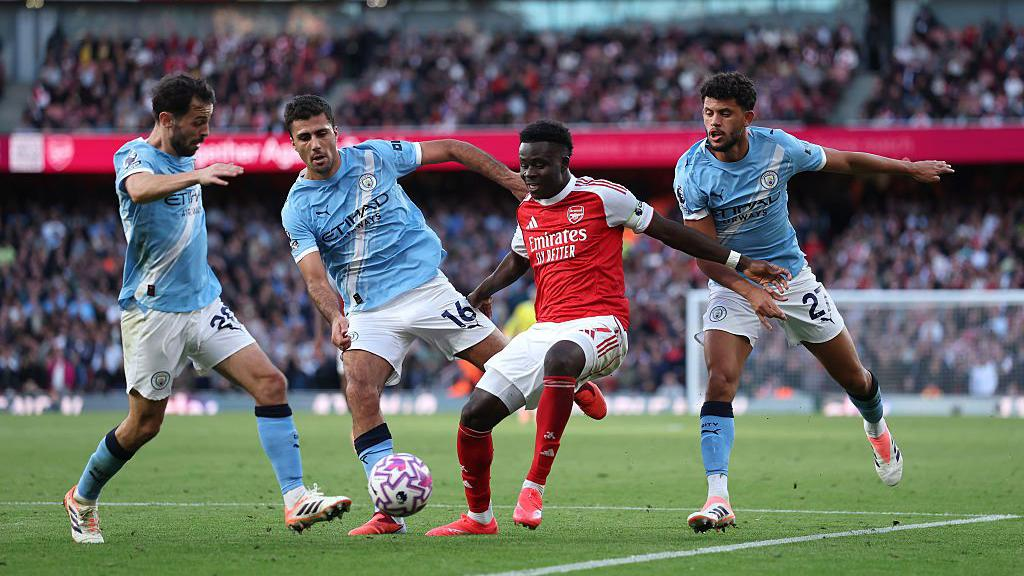
Navigating football wagering requires a clear structural understanding of probability, variance, and capital exposure. For beginners examining historical datasets like the 2010/2011 Premier League season, distinguishing between single-match selections (straight wagers) and multi-match accumulators (parlays) represents the foundational boundary between controlled investment and high-variance speculative exposure. The 2010/11 campaign stood out for its unprecedented parity, where top-four mainstays suffered frequent setbacks against relegation-threatened sides. This volatility exposed the structural mathematical flaws of multi-match parlays while highlighting how single-match risk management protects capital over a full thirty-eight fixture schedule.
Mathematical Compounding of Risk in Multi-Match Selections
The primary illusion of accumulator bets lies in the deceptive appeal of low-stake, high-payout scenarios. Beginners frequently combine several strong home favorites, assuming that individual probabilities remain independent and static. However, multiplying implied probabilities exponentially increases the margin of error, meaning a three-leg parlay requires every independent tactical and refereeing variable to align perfectly across 270 minutes of football.
When market odds fluctuate due to late lineup changes or weather conditions, multi-selection slips become fragile structures. Observing how bookmakers price combined outcomes reveals that profit margins built into each individual leg compound alongside the risk, drastically lowering the bettor’s long-term expected value compared to single-match positions.
In instances where a bettor seeks to evaluate structured odds distributions without managing the compounding margins of multiple sporting events, utilizing a dedicated online betting site like ufabet168 highlights how direct single-event lines offer transparent payout structures that eliminate the hidden compounding house edges inherent in multi-leg parlays.
Because every added match introduces unquantifiable external factors—such as red cards or early tactical substitutions—parlays transform reasonable single-game predictions into statistically improbable outcomes. In a season as volatile as 2010/11, this compounding effect resulted in catastrophic loss rates for multi-match slips.
Variance Exposure and Capital Preservation in Single-Match Wagers
Single-match selections isolate exposure to a single set of controlled variables, allowing analysts to manage bankrolls with mathematical consistency. By risking capital on one outcome at a time, a novice avoids the all-or-nothing threshold of accumulators, where a single late goal destroys the entire investment regardless of how accurately the remaining legs were predicted.
During the 2010/11 campaign, elite clubs recorded an unusually low away-win conversion rate. Analysts backing single matches could absorb draw or defeat variance through structured bankroll fractions, whereas accumulator players saw their entire weekend slips wiped out repeatedly by mid-table upsets.
Evaluating capital allocation strategies requires looking closely at how drawdown mechanics operate under different wagering structures across a ten-match sample size.
| Strategy Type | Typical Win Rate Target | Capital Allocation Per Trade | Drawdown Resilience | Long-Term Capital Velocity |
| Single Match (Flat Staking) | 53% – 58% | 1.0% – 2.0% of Total Bankroll | High (Absorbs individual upsets easily) | Steady, compounding growth curve |
| 3-Leg Accumulator | 20% – 30% | 0.5% – 1.0% of Total Bankroll | Moderate (Vulnerable to mid-table draws) | Volatile swings with frequent losing streaks |
| 5+ Leg Accumulator | Sub-10% | 0.1% – 0.25% of Total Bankroll | Extremely Low (High probability of total loss) | High-variance lottery model; rapid bankroll depletion |
This comparative breakdown demonstrates why single-match structures protect beginner capital far better than multi-selection alternatives. While accumulators offer eye-catching potential returns for tiny stakes, the underlying mathematics severely punish the bettor’s bankroll over time. Single wagers limit downside exposure to one distinct event, ensuring that a single referee decision or unexpected red card does not cascade across multiple fixtures and destroy an entire weekend’s budget.
The Impact of 2010/11 Season Volatility on Multi-Match Slips
The 2010/2011 Premier League campaign was defined by historical competitive parity, making it an exceptionally dangerous environment for multi-match bets. Traditional powerhouses like Chelsea, Liverpool, and Arsenal dropped points in fixtures where they were listed as overwhelming odds-on favorites, repeatedly breaking retail accumulator tickets.
Structural Breakdown of Key 2010/11 Accumulator Killers
Analyzing specific matchdays illustrates how single upsets systematically dismantled public multi-match wagers throughout the season.
- Sunderland’s 3–0 Victory at Stamford Bridge (Nov 2010): Chelsea entered the fixture on a dominant home run, making them the anchor leg on millions of public accumulators before Sunderland exploited Chelsea’s depleted central midfield.
- Newcastle’s 4–4 Draw Against Arsenal (Feb 2011): Arsenal led 4–0 at half-time, leading in-play accumulator bettors to consider the match settled before a red card and systemic collapse caused a historic draw.
- Blackpool’s Double Over Liverpool: The newly promoted side defeated Liverpool both home and away, completely defying preseason statistical models and wrecking favorite-heavy parlays.
These concrete scenarios emphasize that even heavy favorited legs carry substantial downside risk. When four or five such matches are tied together, the mathematical likelihood of encountering at least one catastrophic upset approaches certainty during a high-parity season.
Behavioral Traps: Why Beginners Overvalue Accumulators
Novice bettors are naturally drawn to accumulators due to psychological biases that obscure mathematical reality. The desire for transformative payouts from minimal capital leads individuals to focus on best-case scenarios while completely ignoring joint probability distribution.
This cognitive bias is reinforced by visual marketing that highlights winning long-shot slips while burying the millions of failed attempts. Beginners construct mental narratives where backing four dominant teams feels completely risk-free, equating team reputation with absolute match security.
When analyzing digital gaming environments where statistical variance is explicitly designed into the software interface, examining a modern casino online website illustrates how fixed probability structures demand strict bankroll discipline—a lesson that directly applies to avoiding the emotional temptation of high-odds sports accumulators.
Overcoming these psychological traps requires shifting focus from potential payout size to risk-adjusted expected value. Once a novice understands that accumulators are structurally priced to favor the bookmaker, the psychological appeal of multi-leg tickets drops significantly.
Bankroll Management Frameworks for Volatile Leagues
Implementing a disciplined capital preservation system is essential when analyzing high-parity leagues. Without strict sizing parameters, even single-match strategies can succumb to normal statistical downswings over a thirty-eight week campaign.
A robust framework requires fixed-percentage staking relative to total bankroll size, entirely removing emotional reaction after a losing weekend.
1.Establish a Dedicated Bankroll:Capital Division.
Separate sports analysis funds completely from general personal capital, dividing the total fund into 50 to 100 equal units.
2.Apply Flat-Unit Allocation:Risk Capping.
Limit single-match exposure to a maximum of 1 to 2 units per match, regardless of perceived confidence or external media narrative.
3.Restrict Multi-Leg Exposure:Accumulator Quarantine.
If placing accumulators for recreational purposes, cap total outlay at a maximum of 0.25 units per ticket to prevent variance from eroding core capital.
4.Recalibrate Unit Values Monthly:Periodic Review.
Adjust the monetary value of one unit only after scheduled monthly performance reviews, preventing emotional stake increases during winning or losing runs.
Following this structured bankroll sequence protects analysts against extended negative variance. By treating capital allocation as a formal risk-management process, beginners build the operational discipline required to survive unpredictable Premier League cycles.
Conditional Scenarios: When Multi-Leg Wagers Hold Limited Utility
Although single wagers are superior for long-term capital protection, specific conditional scenarios exist where small-stake multi-leg structures can be utilized rationally. These situations require strict risk parameters and clear strategic objectives rather than blind hope.
Mechanics of Hedging and Correlation Exploitation
In late-season scenarios where kickoff times are staggered across a weekend, an analyst can build a two-leg accumulator where the outcome of the second fixture depends heavily on the result of the first. If the first leg wins, the bettor gains a powerful structural position to hedge the second match on live markets, guaranteeing a locked-in profit regardless of the final outcome. Additionally, combining low-risk defensive metrics—such as under-goals markets on two notoriously pragmatic teams—can offer lower variance than backing outright match winners in unpredictable away venues.
However, these conditional applications require advanced market monitoring and precise timing. For a beginner without live hedging execution tools, standard single-match selection remains the only mathematically sound approach to long-term risk control.
Failure Cases of Over-Simplified Single-Match Strategies
Transitioning entirely to single-match wagers does not automatically guarantee positive results if the underlying selection process lacks discipline. Simply avoiding accumulators is insufficient if the analyst falls into basic single-match analytical traps.
- Blindly Backing Heavy Odds-On Favorites: Consistently betting on 1.20 favorites in single matches still exposes capital to severe negative expected value when occasional draws occur.
- Ignoring Handicap Lines: Placing single moneyline wagers on away teams in high-volatility venues without taking goal-cushion handicaps leads to rapid drawdown.
- Chasing Loss Recovery: Doubling single-match stake sizes immediately after a loss completely destroys the capital protection benefits of flat staking models.
Recognizing these failure points ensures that beginners do not treat single betting as a magical solution. Single-match strategy only succeeds when combined with rigorous value identification, proper Asian handicap usage, and unwavering bankroll discipline.
Summary
Evaluating risk in the 2010/11 Premier League demonstrates that single-match selections offer vastly superior capital preservation compared to multi-match accumulators. While accumulators entice beginners with high potential payouts, their mathematical structure compounds house margins and exponentially increases variance, making them highly fragile during volatile seasons. By adopting flat-unit staking on single fixtures, managing psychological biases, and applying strict bankroll frameworks, novice analysts can navigate league parity, survive inevitable downswings, and establish a sustainable foundation for long-term sports market analysis.










Leave a Reply