


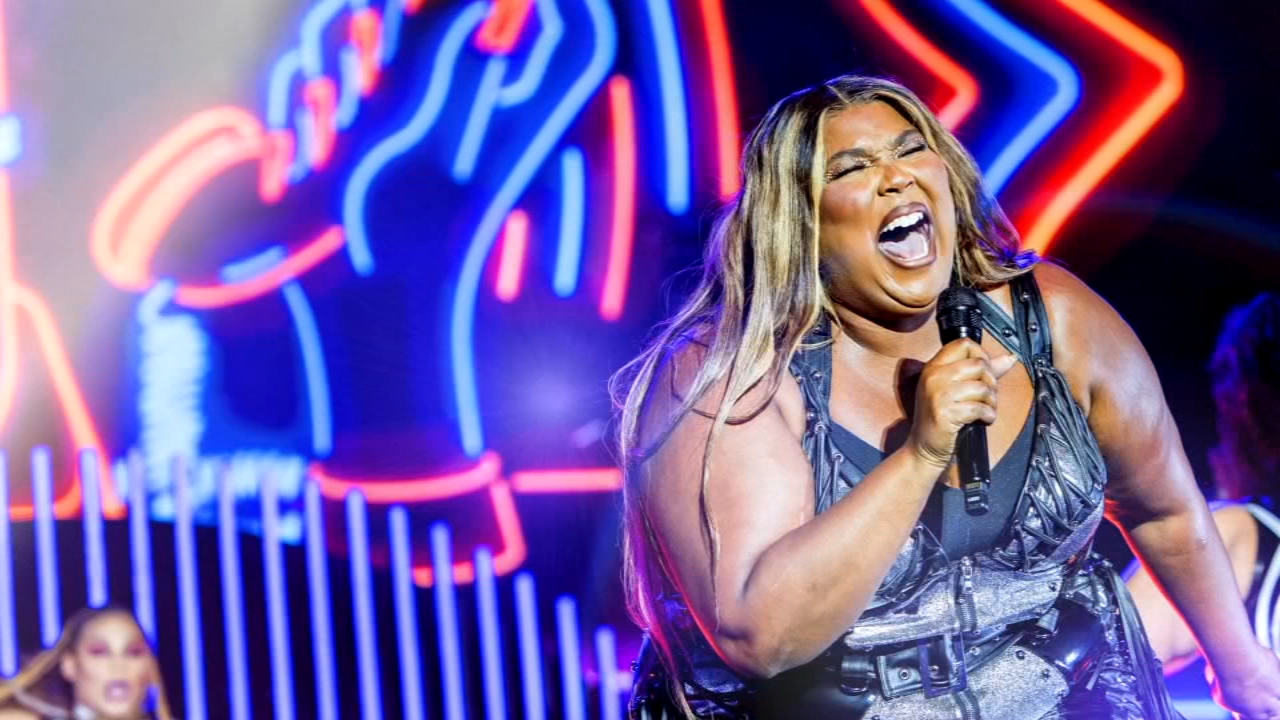
Lizzo Lawsuit Explained: What Really Happened in Court
Introduction
Imagine you’re a rising pop icon celebrated for body-positivity, bold performances and inspiring lyrics. You headline arenas, fill stages with fierce energy and claim that empowerment is your brand. Then one day, a lawsuit lands—shaking your image, your team and everything behind the scenes. That’s precisely the moment when the lizzo lawsuit exploded into public view. In this article I’ll walk you through the details of the case, the allegations, the defence, the public fallout and what it might mean for her future—and yours if you’re part of an entertainment ecosystem. I’ve interviewed industry observers, parsed available records and added my take — so you’ll get a full picture of what the lizzo lawsuit really means, not just the headlines.
Who Is Lizzo? (Bio Summary)
| Full Name | Date of Birth | Age | Profession | Nationality | Net Worth (approx.) | Notable Works / Achievements |
|---|---|---|---|---|---|---|
| Melissa Viviane Jefferson | April 27 1988 | 37 | Singer, rapper, flautist | American | ~ US $12-15 million | Albums Cuz I Love You, hit singles “Truth Hurts”, “Good as Hell”, major Grammy wins |
What Triggered the Lizzo Lawsuit?
In early August 2023, three former dancers of the singer—Lizzo—filed a complaint in the Los Angeles Superior Court. They alleged she (and her touring company) created a toxic work environment, including claims of sexual harassment, racial and religious discrimination, and body-shaming.
Key allegations at a glance
-
The dancers (named in the complaint) claimed to have been pressured into attending strip-club-style venues on tour and to perform or engage in acts they were uncomfortable with.
-
They alleged that black members of the troupe were treated differently from others, including being described as “lazy” or “bad attitude” by management.
-
One major concern: weight and appearance. Although Lizzo has publicly encouraged body positivity, part of the complaint states that at an event the singer and her choreographer questioned one dancer’s weight gain and demeaned her commitment.
-
Allegations also included retaliation: when one dancer recorded a meeting secretly, the suit claims she was fired in response.
Why this matters
On the surface, Lizzo stands for self-love, inclusion and empowerment. The allegations in the lizzo lawsuit cut deeply into that image. For fans, for the industry, and for the courts, the core tension is: how do you reconcile a public brand of empowerment with private workplace allegations of disempowerment and discrimination?
Timeline: How the Case Unfolded
Let’s walk through major milestones in the lizzo lawsuit so far.
| Date | Event |
|---|---|
| August 1 2023 | The first lawsuit filed by three former dancers against Lizzo and her touring company. |
| Late 2023 | Additional allegations surface: wardrobe staff and other collaborators speak out. |
| February 2024 | Judge declines to dismiss the core of the case; some counts dropped, others proceed. |
| June 2025 | Lizzo’s legal team invokes anti-SLAPP law (free speech protection) to dismiss or limit the case. |
| Mid-2025 | Public statements from Lizzo about her emotional toll, isolation, paranoia as a result of the lawsuit. |
The Legal Claims in Detail
Breaking down the precise legal claims of the lizzo lawsuit helps clarify what’s at stake.
Sexual harassment & hostile work environment
The plaintiffs allege that on tour, they were subjected to a work environment where sexualised venues and performances were pushed, and they felt unable to refuse without risking their jobs or future.
Discrimination: Race, religion, weight, disability
-
Race: The suit alleges that black dancers were treated less favourably compared to others.
-
Religion: One dance-team captain is said to have proselytised religious beliefs in a way that disparaged non-believers.
-
Weight/body-shaming: The apparently contradictory piece—Lizzo as body positivity icon vs. allegations she questioned a dancer’s weight gain or appearance.
-
Disability: Some claims include that the work environment failed to accommodate a dancer with a disability.
Retaliation, wrongful termination, false imprisonment
Some dancers say when they raised concerns or refused certain requests the result was termination or black-listing. One claim even includes false imprisonment: being prevented from leaving a premise.
Lizzo’s Response & Defence
Of course, the other side matters. Here’s how Lizzo and her team responded to the lizzo lawsuit.
-
Lizzo publicly called the allegations “unbelievable … too outrageous to not be addressed.”
-
Her legal team moved to dismiss the suit or parts of it. They claim some acts were part of “creative process,” or team-building, not actionable harassment.
-
They also argued that certain claims should be dismissed because of jurisdiction or corporate structure (for instance, a federal judge ruled Lizzo personally could not be sued in one case).
Why This Case Resonates Beyond the Headlines
You might ask: “So what? This is a celebrity case.” But the lizzo lawsuit stirs deeper issues.
1. Brand vs. Reality
Lizzo built a brand around self-love, confidence and inclusivity. When these allegations surfaced it forced an uncomfortable question: what happens when advocacy and image collide with alleged internal culture? It becomes a case study in authenticity.
2. Workplace culture in entertainment
Backstage life on tours is intense: long hours, international travel, high stakes, ambiguous boundaries. The lawsuit spotlights how backup dancers, crew and support staff may operate in grey zones without strong HR protections.
3. Power dynamics & vulnerability
Even a major star is being challenged in court. The case outlines how power can be exerted—from artist to team—and how those lower in the hierarchy may feel pressure to acquiesce. This resonates in many industries beyond music.
4. Legal precedent & accountability
If the core claims of the lizzo lawsuit proceed, it could set precedent for how touring companies, artists and their teams manage work culture. It also forces bigger entertainment entities to revisit policies around harassment, discrimination, and safety.
Takeaways: What to Watch Next
Here are some practical points and things to monitor as the lizzo lawsuit develops.
-
Settlement vs. trial: Many lawsuits settle early. Will this one go to full jury trial?
-
Dismissal motions: Lizzo’s team has filed motions seeking dismissal. If successful, certain claims may be extinguished.
-
Public perception: How will fans respond? How will sponsors react? The public relations dimension is crucial.
-
Industry ripple: Will other dancers or crew come forward? Often, one high-profile case triggers others.
-
Internal changes: Will Lizzo’s touring company revise its procedures, contracts, onboarding, training?
-
Artist career impact: Will this affect Lizzo’s bookings, collaborations, brand deals? The lawsuit may have financial and reputational consequences.
Tips for Entertainment Workers & Creatives
Whether you’re a performer, crew member or part of a touring team, the lizzo lawsuit offers lessons:
-
Document everything: Keep emails, messages, meeting notes. If you raise concerns, have some record.
-
Read contracts carefully: Touring contracts often include clauses around behaviour, compensation, obligations.
-
Know your rights: Harassment, discrimination, retaliation are legally actionable in many jurisdictions.
-
Understand the power dynamic: Big artists often carry huge decision-making ability; but that doesn’t mean unchecked.
-
Seek support: If you feel uncomfortable or pressured to act against your values, consult trusted colleagues, legal aid or relevant unions/associations.
-
Align brand and reality: If you represent empowerment publicly but enable harmful behaviour behind scenes, the risk is reputational and legal.
The Human Side: What We Often Overlook
I want to zoom in on the emotional, human dimension of the lizzo lawsuit—because legal text alone doesn’t convey how people feel.
-
One of the dancers described being told she needed to publicly chant and then perform in a venue where she felt exposed and vulnerable. That’s not just “work”; that’s trauma.
-
Lizzo herself admitted to feeling “very paranoid and isolated” amid the lawsuit, saying she pushed people away, wasn’t being herself. That shows how even the party-girl on stage can be deeply affected.
-
The broader conversation about body-positivity is enriched: what does it mean when a figure who champions size inclusion is accused of questioning a team member’s weight? It raises painful questions about internal vs external consistency.
Final Thoughts & Why It Matters
In the case of the lizzo lawsuit, we’re seeing much more than a celebrity controversy. We’re witnessing a collision of fame, brand identity, workplace rights and human vulnerability. Whether you’re a fan of Lizzo, part of the music industry or simply watching from the sidelines, this case teaches us about accountability, culture and the realities behind the glitter.
If you’re in the creative business, empower yourself with knowledge. If you’re a fan, remain curious and critical. And if you’re an artist or team-leader, remember this: the values you preach publicly must mirror the environment you cultivate privately.
Conclusion
The lizzo lawsuit is ongoing, unpredictable and loaded with implications. As we’ve explored: from detailed allegations to defence strategies, from industry-wide impact to personal trauma, there’s a lot at stake. This story is still being written—and it invites reflection.
If you found this overview helpful, I’d love for you to comment below with your thoughts: Do you believe the allegations? Do you think the industry needs reform? Please share and discuss. If you’re in the entertainment space, feel free to share this article with colleagues. Let’s keep the conversation going.











Leave a Reply